
Is Panchakarma safe? Side effects, and who should not do it
Panchakarma is generally considered safe when a qualified Ayurvedic doctor screens you first, chooses procedures that suit your strength and condition, and supervises every day of the course. Classical texts and current teaching protocols warn that wrongly given procedures cause complications such as digestive upset, weakness and dehydration, and the texts exclude pregnancy, acute fever, bleeding, significant weakness, children and the elderly from the main cleansing procedures. At Divine School of Ayurveda in Rishikesh, every course starts with a $20 consultation, and the doctors will say no when Panchakarma is not right for you.
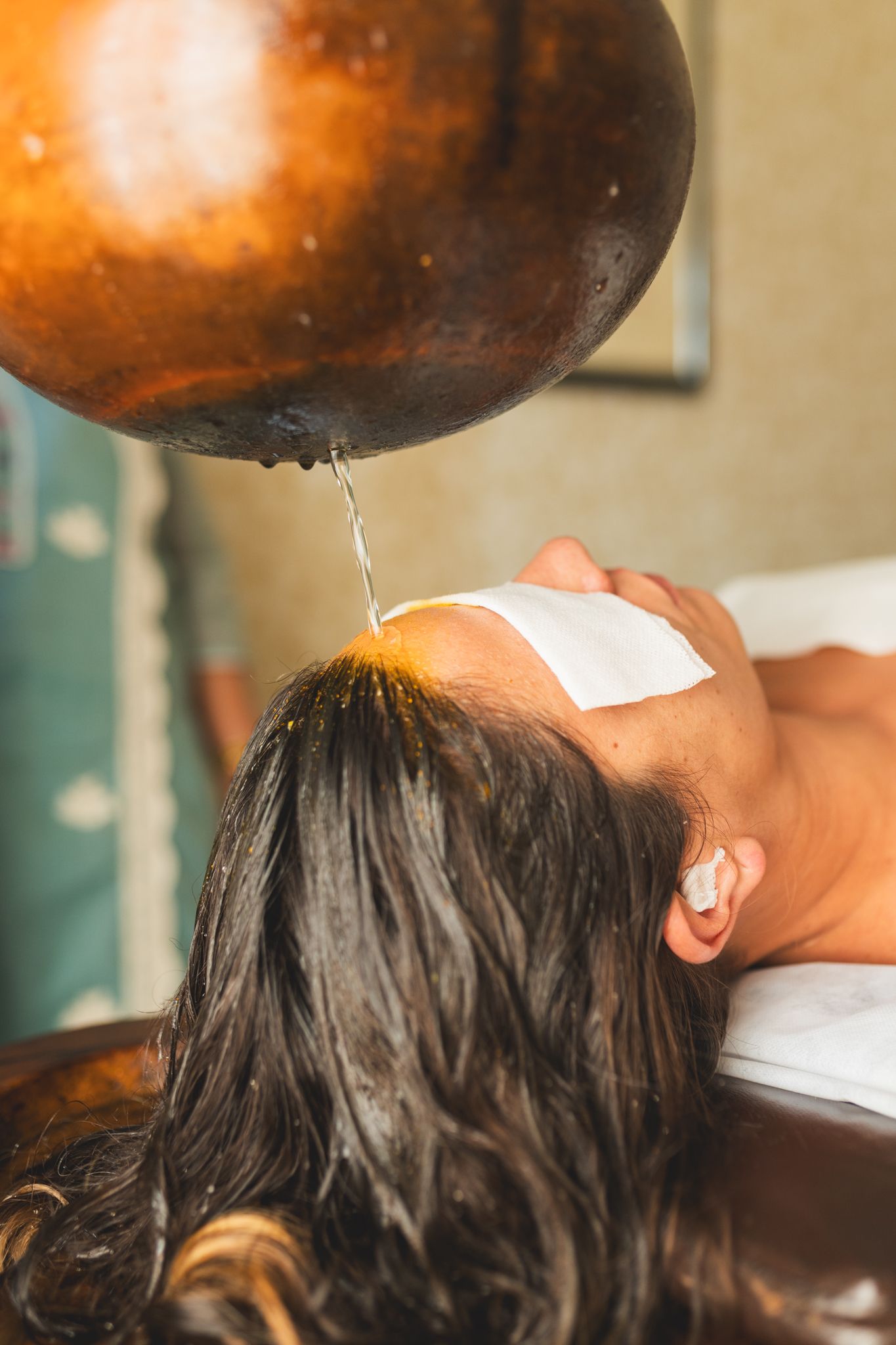
“Is it safe?” is the right question to ask before any Panchakarma course. The honest answer is that it depends on who is giving it and who is receiving it. This guide explains what the course feels like, what can go wrong, who should not have it, and what keeps it safe.
The short answer
Panchakarma is generally considered safe when a qualified doctor screens you first, chooses procedures that suit you, and sees you every day during the course. It is not safe for everyone, and not every procedure suits every person.
The classical texts are frank about this. The Charak Samhita reference maintained by ITRA, Jamnagar states that improper administration of Panchakarma can lead to skin disorders, digestive diseases and vata disorders, and that giving too much or too little also leads to complications. The same text says the person needs good strength to withstand the procedures. Screening exists because of those warnings.
What makes Panchakarma safer
Three things matter most: an examination before the plan, a procedure matched to your strength, and daily supervision. A course without these is where most problems start.
- Screening. A history, a list of your medicines, any reports you bring, and an examination, including Nadi Pariksha in person.
- Choosing the procedure. Most people need one or two of the five classical procedures, not all of them. Milder options exist for people who are not strong enough for full cleansing.
- Preparation that is not rushed. The preparatory oil and heat phase lasts until the doctor sees the right signs, not a fixed number of days. See how many days Panchakarma takes.
- Daily review. The doctor checks your appetite, energy, sleep, digestion and how you are responding, and changes the plan if needed.
- A careful return to food. The graded diet after cleansing protects digestion; see what to eat during and after Panchakarma.
At Divine School of Ayurveda, Dr. Mukesh Sharma and Dr. Vibha Sharma, BAMS doctors practising since 1990, do the screening themselves, and daily doctor supervision is included in the program rate.
What it feels like, phase by phase
Most of Panchakarma is quiet and restful. The main procedure days are the demanding part.
Preparation
Daily oil massage (abhyanga), steam or warm herbal bundles, and small, rising doses of medicated ghee. Most people find the therapies pleasant. The ghee can leave you feeling heavy, with a low appetite, which the doctors expect and watch.
The main procedure
On a purgation (virechana) day you take a herbal preparation in the morning and then have repeated bowel movements over several hours. It is tiring, sometimes crampy, and you stay close to the clinic and your room. A course of medicated enemas (basti) is less dramatic but still asks you to rest.
Recovery
For a few days you eat very light food and feel low on energy. Appetite comes back as the graded diet progresses.
Possible side effects and complications
Expected effects are tiredness, low appetite, loose stools on purgation day and a dull or heavy feeling during oil intake. Complications are less common and are what supervision is there to catch.
The classical texts list them procedure by procedure:
- Purgation and enemas: the National Institute of Ayurveda’s pediatric Panchakarma protocol names dehydration as a complication of virechana to be managed. ITRA’s reference on basti lists complications including exhaustion, bloating, vomiting, headache, body ache and anal discomfort.
- Emesis: ITRA’s reference on vamana lists signs of excess such as thirst, fainting, insomnia, weakness and blood in the vomit.
- Oils and heat: allergic skin reactions to Ayurvedic oils have been reported in the medical literature, and oil or steam that is too hot can burn.
- Medicines: herbal products vary in quality. A 2008 study in JAMA found lead, mercury or arsenic in 20.7% of Ayurvedic products bought online. Take medicines only from the doctor treating you.
Tell the doctors at once if you have
- Dizziness, fainting or confusion
- Severe or continuing diarrhoea or vomiting, or signs of dehydration such as very little urine
- Blood in stool or vomit
- Chest pain, palpitations or breathlessness
- A rash, swelling or a burn
- Fever
For anything that looks like an emergency, get emergency medical care first.
Who should not do Panchakarma
Classical texts exclude pregnancy, children, the elderly, people who are very weak, very thin or exhausted, and anyone with acute fever, diarrhoea or bleeding from the main cleansing procedures. Each procedure also has its own exclusions.
| Procedure | Some classical exclusions |
|---|---|
| Purgation (virechana) | Diarrhoea, rectal or other bleeding, acute fever, acute rhinitis; the elderly, children, pregnancy, weakness, excessive thinness or obesity (ITRA) |
| Emesis (vamana) | Chest injury, heart disease, the elderly over 60, children under 10, pregnancy, exhaustion, excessive thinness or obesity (ITRA) |
| Decoction enema (niruha basti) | Severe weakness, breathlessness, cough, diabetes, skin disease, directly after another cleansing procedure (ITRA) |
| Oil enema (anuvasana basti) | Acute fever, anaemia, weak digestion, an empty stomach (ITRA) |
In practice the doctors also want to know about:
- Heart conditions, recent surgery, or uncontrolled blood pressure or blood sugar
- Pregnancy, breastfeeding, or plans to conceive soon
- Every medicine and supplement, especially blood thinners, diabetes and blood pressure medicines
- Any acute illness when you arrive; if you are unwell, the course waits
If you have diabetes, keep taking your prescribed medicines unless your own doctor changes them; the light diet days need planning with both doctors. Our page on diabetes and metabolic health explains how the clinic works alongside existing treatment.
Panchakarma with other medical care
Panchakarma is not a reason to delay seeing a medical doctor about a new or serious symptom. The US National Center for Complementary and Integrative Health advises not using Ayurveda to postpone seeing a conventional health care provider, and telling all your providers about any complementary approach you use.
Bring recent blood tests and reports if you have them. The doctors may ask for tests before deciding.
When the answer is “not now”
Sometimes the safest plan is a gentler one. If you are run down, recovering from illness or not a candidate for full cleansing, the doctors may suggest therapies only, diet and herbs at home, or building strength before a course later.
That answer is part of the service, not a failure of it. A shorter therapy course, with treatments such as abhyanga and Shirodhara, can be planned for a few days instead.
Questions to ask before you start
- Who will examine me, and what will you check?
- Which procedure are you planning, and why that one?
- What will I feel on the main procedure day?
- How often will I see the doctor?
- What should I do if I feel unwell in the evening?
- What happens with my regular medicines?
For more on choosing a clinic, see how to choose a genuine Ayurvedic clinic in Rishikesh. To find out whether Panchakarma suits you, book a $20 consultation, online or in person, through the consultation form. Program details are on the Panchakarma page and programs and pricing.
Questions people ask
Panchakarma is generally considered safe when a qualified Ayurvedic doctor screens you first and supervises the course daily. Classical texts and current teaching protocols warn that procedures given wrongly, too strongly or to the wrong person cause complications such as digestive upset, weakness and dehydration. Safety depends far more on screening and supervision than on the procedures themselves.
Classical texts exclude pregnant women, children, elderly people and anyone who is very weak, very thin or exhausted from the main cleansing procedures, along with people who have acute fever, diarrhoea or bleeding. Each procedure has its own list; for example, therapeutic emesis is avoided with heart disease. Recent surgery and uncontrolled blood pressure or blood sugar need careful assessment first.
Common, expected effects include tiredness, a heavy or dull feeling during oil intake, loose stools on purgation day, and low appetite as food is reintroduced. Less common problems include dehydration, dizziness, skin reactions to oils, and burns from oil or steam that is too hot. Tell the doctors at once about anything unusual.
The oil massages, steam, herbal bundles and Shirodhara are not painful, and most people find them restful. The day of a main procedure, such as therapeutic purgation, can be tiring and uncomfortable, with frequent trips to the toilet and some cramping. The doctors monitor you through it and adjust if needed.
Often yes, but the doctors must know every medicine and supplement you take, especially blood thinners, diabetes medicines and blood pressure tablets, because purgation, enemas and diet changes can affect how they work. Do not stop a prescribed medicine on your own. Tell your own doctor about the course as well.