
What to eat during and after Panchakarma
During Panchakarma you eat warm, light, freshly cooked food such as rice gruel, khichdi and thin mung dal soup, and you sip warm water through the day. After the main procedure, food is reintroduced in stages over about 3 to 7 days, from thin rice water to thicker gruel, lentil soup and then normal meals. At Divine School of Ayurveda in Rishikesh, meals are included in the program rate of around $120 a day and are set by the doctors for each stage of your course.
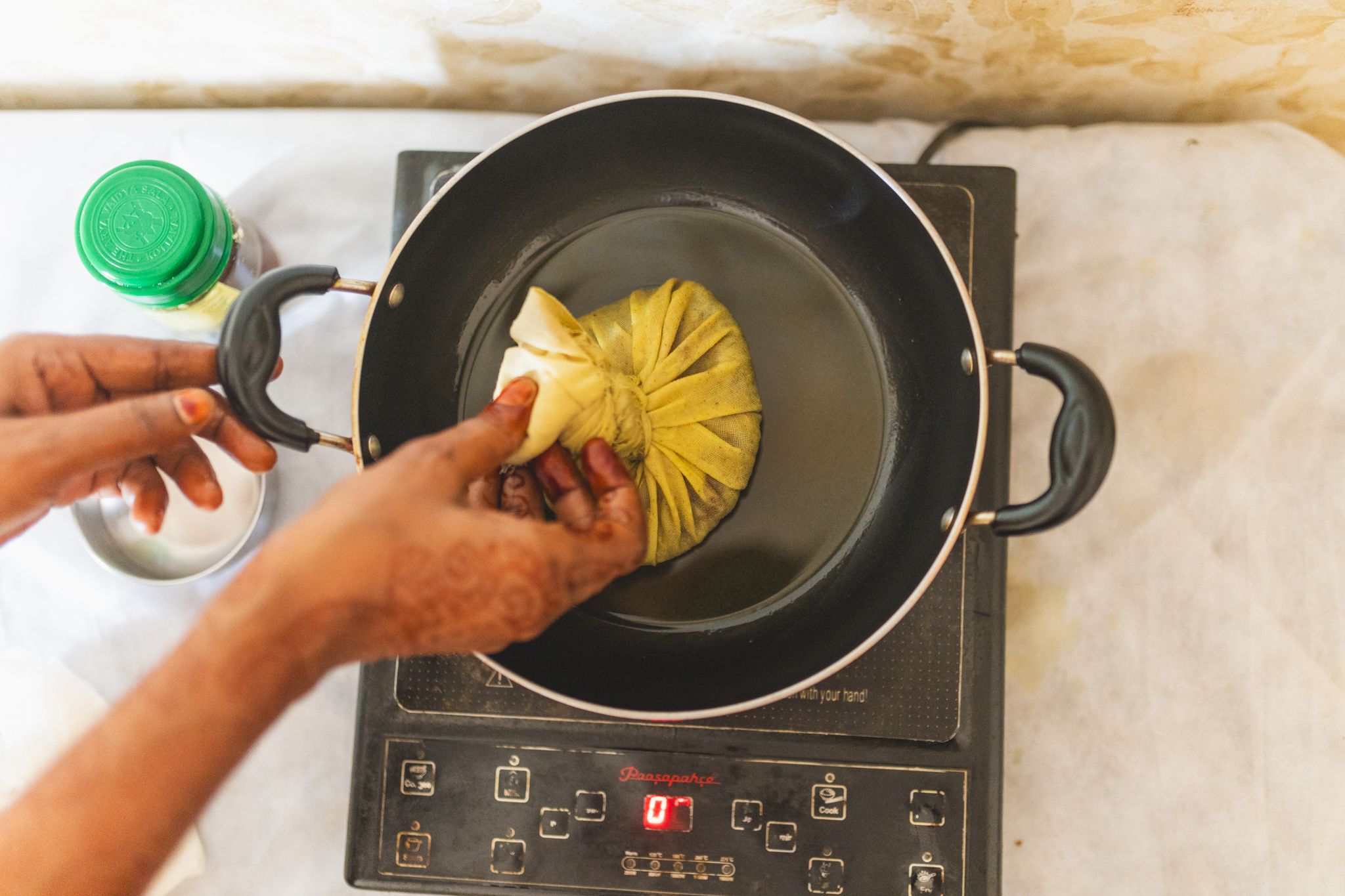
Food is half of Panchakarma. The therapies get the attention, but the doctors spend just as much time on what you eat, because in Ayurveda the whole course depends on digestion (agni) staying steady. This guide explains what you eat at each phase, why, and how to manage once you are home.
The short answer: warm, light and simple
During Panchakarma you eat warm, freshly cooked, easily digested food, in moderate amounts, at regular times. Cold, heavy, fried, processed and stale food is set aside until the course is over.
That rule comes from the classical texts. The Charak Samhita’s guidance on eating, summarised by ITRA Jamnagar’s Rasa Vimana reference, says to eat warm food, in the right quantity, only after the previous meal is digested, without eating too fast or too slowly. During a cleansing course those everyday rules simply become stricter.
A pediatric Panchakarma protocol from the National Institute of Ayurveda, Jaipur, written for children but following the classical sequence, lists the kinds of things to avoid around therapies: curd, ice cream, cold drinks, junk food and processed food. Most adults are given a similar list.
What you eat during preparation
During the preparation phase (purvakarma) you eat light, warm, semi-liquid meals such as khichdi, rice gruel and thin mung dal, and you sip warm water through the day. Meals are kept simple because your digestion is also handling the medicated ghee.
Preparation usually includes internal oleation (snehapana): a measured dose of medicated ghee or oil taken early in the morning on an empty stomach. The NIA protocol describes the diet on those days as liquid, warm and not heavy, giving examples such as daliya (broken wheat porridge), krushara (khichdi) and mung yusha (a thin soup of mung beans), with lukewarm water whenever you are thirsty.
A sample preparation day
| Time | What you might have |
|---|---|
| Early morning | Medicated ghee as prescribed, then sips of warm water only |
| Late morning, once hungry | Thin rice or mung gruel |
| Midday | Khichdi with a little ghee and soft-cooked vegetables |
| Afternoon | Warm water or a herbal infusion if the doctors allow it |
| Early evening | Thin mung soup or a small bowl of khichdi |
This is an illustration, not a prescription. On ghee days some people feel full until lunch, and the doctors will tell you to wait for real hunger rather than eat by the clock.
What you eat on the day of the main procedure
On the day of a main procedure such as therapeutic purgation (virechana), you eat very little or nothing until the procedure has finished, and then only thin rice gruel when you feel hungry. The doctors tell you exactly when to start.
The day before, the diet is often light and liquid in the evening so that the stomach is empty the next morning. During purgation itself the NIA protocol describes sips of warm water. Once the doctors are satisfied that the procedure is complete, the graded diet begins.
The graded diet after cleansing: samsarjana krama
After the main procedure, food is brought back in a fixed order, from liquid to solid, over 3 to 7 days. This step-by-step return to normal food is called samsarjana krama.
A case report in the Journal of Ayurveda and Integrative Medicine, written by doctors at the All India Institute of Ayurveda, describes the classical progression:
- Manda: the liquid part of cooked rice only, like thin rice water
- Peya: thin gruel with both liquid and a few rice grains
- Vilepi: thick gruel, mostly rice with a little liquid
- Krishara: soft khichdi of rice and lentils
- Yusha: a lentil soup, then plain rice or chapati, and gradually a normal meal
The length depends on how strong the cleansing was. The NIA protocol, following the Charak Samhita, gives 7 days after a strong cleansing, 5 days after a moderate one and 3 days after a mild one. It also notes that doctors may shorten the steps when digestion is strong, because keeping someone on very light food longer than needed can leave them weak.
Why it is done so slowly
In Ayurvedic terms, the main procedure leaves digestion temporarily weak, the way a fire burns low after the wood is cleared. The ITRA overview of Panchakarma says the graded diet is followed to regain strength and correct digestion after the procedure. Jumping straight to a large or heavy meal is the most common way people spoil the end of a course.
What to avoid for the whole course
For the length of the course, avoid cold food and drinks, heavy, fried and processed food, alcohol, and eating between meals. The doctors may add other items depending on your condition.
The usual list includes:
- Ice, cold water, cold drinks and ice cream
- Curd and heavy dairy desserts, unless prescribed
- Fried snacks, packaged food, bakery items and leftovers
- Alcohol, and usually coffee
- Raw salads in large amounts, and very spicy or sour food
- Large meals, late dinners and grazing between meals
The NIA protocol also lists lifestyle restrictions after cleansing: no strenuous exercise, no day sleep, no late nights, and limited screen time. Food and rest are treated together.
Eating in Rishikesh during your course
At Divine School of Ayurveda, Ayurvedic meals are included in the program rate of around $120 a day, which also covers therapies, herbal medicines, daily doctor supervision and GST. Accommodation is separate. This matters, because finding true samsarjana food at a café is hard.
Rishikesh has plenty of restaurants, but gruel, plain khichdi and unspiced mung soup are not what most of them sell. If you are doing your own cooking for any part of the stay, ask the doctors for a written list for each stage. If you have allergies, intolerances or follow a particular diet, tell the clinic before you arrive so the meals can be planned around them.
For how the phases fit together and how long each one takes, see 7, 14 or 21 days of Panchakarma.
Eating after you go home
Once home, keep meals warm, simple and regular for at least the first week or two, and bring heavier foods back one at a time. The flight is often the first test.
- Travel day: the NIA protocol suggests that if travel during the graded diet cannot be avoided, light, dry foods such as puffed rice, khakhra or poha can stand in at mealtimes. Avoid airline meals that are heavy or fried, and carry warm water if you can.
- First week: cooked breakfasts, a proper lunch, and an early, light dinner. Keep the warm water habit.
- Weeks two and three: reintroduce dairy, raw food, coffee and richer meals gradually, one at a time, and notice how each one sits.
- Medicines: finish any herbs you were given, and tell your own doctor what you are taking. The US National Center for Complementary and Integrative Health advises telling all your health care providers about complementary approaches you use.
If you have diabetes or take medicines that depend on regular meals, ask both your own doctor and the clinic how to manage the light-diet days. Never stop a prescribed medicine on your own. Our page on diabetes and metabolic health explains how the doctors work alongside existing treatment.
When the standard diet is changed
The diet is adjusted for each person. Strong appetite, weak digestion, low body weight, diabetes, pregnancy plans and food allergies all change what the doctors prescribe.
This is one reason a fixed diet sheet downloaded from the internet is not a good substitute. The same gruel that suits one person on day two may leave another person weak. The doctors check your appetite, energy and digestion at the daily review and change the menu accordingly.
Planning your course
If you are planning Panchakarma, the diet is something to prepare for, not to fear. Most people find the food simple and settling once the first day or two have passed.
Start with a $20 consultation, online or at the clinic in Muni Ki Reti, through the consultation form. The doctors will tell you whether Panchakarma suits you, how long it should be, and what the food will look like at each stage. Full program details are on the Panchakarma page and on programs and pricing.
Questions people ask
Eat warm, light, freshly cooked food that is easy to digest: rice gruel, khichdi made with rice and split mung beans, thin mung dal soup and well-cooked vegetables, with warm water to sip. Avoid cold drinks, ice cream, curd, fried and processed food, and anything heavy or stale. The exact foods change with each phase of the course, and the doctors adjust them to your digestion.
The graded diet after the main Panchakarma procedure is called samsarjana krama. It moves from thin rice water to rice gruel, thicker gruel, lentil soup and finally normal meals. Classical texts set its length at 3, 5 or 7 days depending on how strong the cleansing was, and the doctor decides which applies to you.
Plan to set aside alcohol and cold drinks for the length of the course, and expect to be asked to cut down or stop coffee, with warm water or a herbal infusion in its place. In Ayurveda, cold drinks and stimulants are thought to disturb digestion, which is the main thing the diet protects. If you drink a lot of coffee, taper it before you arrive, and ask the doctors before restarting it.
The strict graded diet usually ends before you leave the clinic, but most people are advised to keep meals warm, simple and regular for at least a week or two at home. Heavy, fried, very cold and very spicy food, alcohol and late meals are brought back gradually. Your doctor will give you a plan that fits how strong the course was.