
Ayurveda in Kerala vs Rishikesh: which is right for you?
Kerala and Rishikesh are both good places for Ayurvedic treatment, and they suit different people. Kerala has one of the deepest living traditions of classical Panchakarma and a monsoon treatment season, with international airports in the state. Rishikesh offers a Himalayan riverside setting, a large yoga community and access from Delhi by train, road or a short domestic flight. What matters more than the state is the doctor: a qualified physician who diagnoses you properly before prescribing anything.
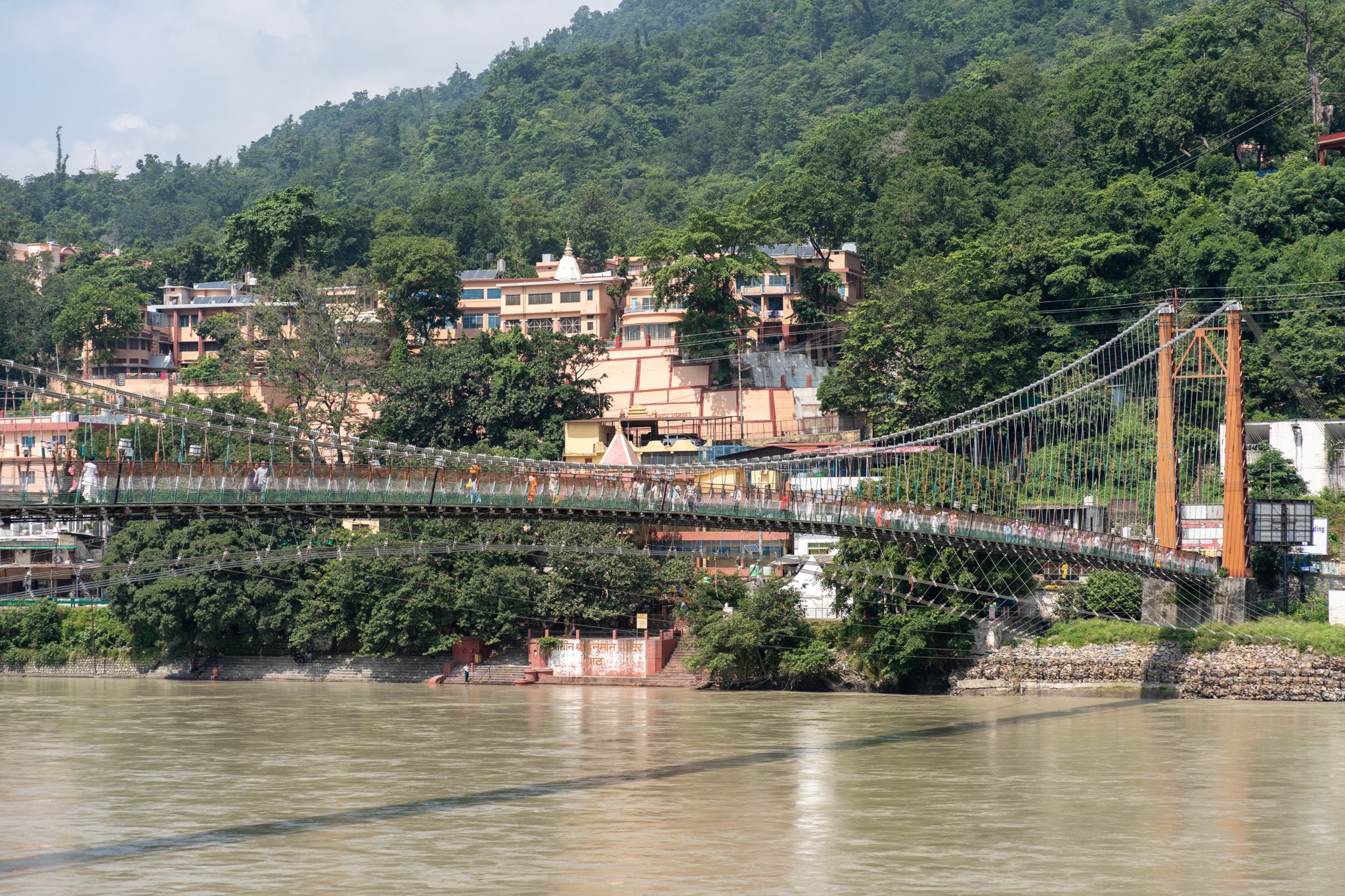
If you are planning Ayurvedic treatment in India, the first question is often where to go. Kerala and Rishikesh come up most. This comparison is written from Rishikesh, by a clinic that has no reason to pretend Kerala is anything less than it is. Both places offer good treatment. They suit different people, and the deciding factor usually isn’t the map.
The short answer
Choose Kerala if you want a deep classical Panchakarma tradition, the monsoon treatment season, or to enter India at an airport in the state itself. Choose Rishikesh if you want a Himalayan river setting, yoga alongside treatment, or a trip that starts in Delhi. In either place, choose the doctor before the destination.
Side-by-side comparison
| Kerala | Rishikesh | |
|---|---|---|
| Ayurveda tradition | A long classical tradition, including the Ashtavaidya physician families and Kerala-specific procedures | Qualified Ayurvedic physicians and clinics, with classical treatment within a wider yoga and wellness town |
| Traditional season | Monsoon, especially Karkidakam (July or August) | Year-round, with treatment adjusted to the season |
| Climate | Tropical and humid; southwest monsoon from June, northeast monsoon from mid-October | Cold nights in December and January, peak heat around May, heaviest rain July and August |
| Getting there from abroad | Four e-Visa entry airports in the state | Land in Delhi, then train, road or a domestic flight to Dehradun |
| Setting | Coast, backwaters and hill country; many resort-based centres | The Ganga in the Himalayan foothills; towns, ashrams and guesthouses |
| Yoga | Available at many centres | One of the world’s best-known yoga towns |
| Types of provider | Hospitals, traditional family practices, resorts | Clinics, ashrams, yoga schools, resorts |
| Cost | Depends on the type of provider more than the state | Depends on the type of provider more than the state |
Sources for each row are in the sections below.
What Kerala does best
Kerala has one of the deepest living traditions of classical Ayurveda in India, and its strength in Panchakarma is real. Its Ashtavaidya families are traditional physicians known for expertise in the eight branches of Ayurveda described in the Ashtanga Hridayam, and they helped make Kerala a leading centre of the system (NCBS Archives on the Ashtavaidya tradition).
Kerala also developed its own therapies. Pizhichil, streams of warm medicated oil with gentle massage, and Njavarakizhi, massage with warm boluses of medicated rice, are two of them. Kerala Tourism maintains an Ayurveda section that includes a list of accredited centres, which is a useful starting point.
The monsoon season
Kerala tradition considers the monsoon the best time for restorative therapies. Kerala Tourism describes Karkidakam, the last month of the Malayalam calendar, which falls in July or August, as the traditional season for restorative Ayurvedic treatment. The same site explains the reasoning: the air is cool and dust-free, and the body is held to be most receptive to herbal oils. The southwest monsoon arrives in June and the northeast monsoon in mid-October. If a monsoon program in Kerala appeals to you, it is a genuine tradition and worth doing.
Getting there
Kerala is easy to reach from abroad. Thiruvananthapuram, Cochin, Calicut and Kannur are all on the list of airports where e-Visa holders can enter India (indianvisaonline.gov.in), so you can enter India in the state itself.
What Rishikesh does best
Rishikesh offers a different setting: the Ganga coming out of the Himalayan foothills, cool winters, and a large yoga community in one small town. Wikipedia notes its nickname as the “Yoga Capital of the World” and that the International Yoga Festival has been held there in the first week of March every year since 1999.
For many patients this matters in practical ways. You can combine treatment with gentle yoga and meditation when your doctor thinks it suits you, and spend the afternoons walking by the river rather than in a resort compound.
Climate by season
Rishikesh has a humid subtropical climate with real seasons. Climate averages for the town show January nights around 5°C, the hottest weather in May and June with highs near 38°C, and July as the wettest month with about 444 mm of rain (climate data). Many visitors find October to April the most comfortable. Treatment continues through the year, and Ayurveda itself expects the diet and therapies to change with the season.
Getting there
Rishikesh has no international airport, so most patients from abroad land in Delhi. From there:
- By air: Dehradun’s Jolly Grant Airport is a domestic airport about 20 km from Rishikesh.
- By train: the Delhi to Dehradun Vande Bharat Express stops at Haridwar, about 25 km from Rishikesh by road.
- By road: a car from Delhi, with travel time that depends heavily on traffic.
If you are already in north India, or flying into Delhi anyway, Rishikesh is often the simpler trip. If you are flying straight to south India, Kerala is.
Cost: closer than people expect
Prices depend far more on the type of provider than on the state. A luxury resort in either place costs several times a small doctor-led clinic, and a treatment-only rate is not comparable to a package that includes rooms, meals and yoga. Compare what each quote actually covers: doctor time, medicines, therapies, accommodation and food. Our guide to Panchakarma cost in Rishikesh sets out what to ask.
At Divine School of Ayurveda in Muni Ki Reti, Rishikesh, a first consultation is $20, and treatment programs cost around $120 a day including therapies, herbal medicines, meals, daily doctor supervision and GST. Accommodation is separate; the clinic can arrange nearby guesthouses. Details are on the programs page.
What matters more than the state
The doctor and the diagnosis matter more than where you go. A well-trained physician who takes a full history, examines you, and tells you honestly whether you need treatment at all will serve you better in either state than a polished package chosen from a brochure.
Before you book anywhere, ask:
- Who diagnoses me? A qualified Ayurvedic doctor (in India, typically a BAMS degree), not a therapist or a sales team. Pulse diagnosis can be part of that assessment; see what Nadi Pariksha can and cannot tell you.
- Will I see the doctor every day? Panchakarma is a medical process, and the plan should change as your body responds.
- Is the program length decided after the consultation? A clinic that sells a fixed number of days before examining you is selling a product. See how Panchakarma length is decided.
- What happens if I’m not a good candidate? You want a clinic that will say no.
- Can I see the doctors’ credentials? Ask where they trained and how long they have practised.
At the clinic in Rishikesh, Dr. Mukesh Sharma and Dr. Vibha Sharma, both BAMS graduates of Maharshi Dayanand University, Rohtak, have practised since 1990 and see patients from more than 20 countries, in English and Hindi. Care starts with a consultation, and the doctors recommend treatment only when they expect it to help. For example, for digestive conditions the plan is often diet and herbs at home first, with in-clinic treatment only if needed.
Practical next steps
- Decide what you need first. A consultation, online or in person, tells you whether treatment makes sense and roughly how long it should take. Book one here.
- Then choose the place. If the doctors you trust are in Kerala, go to Kerala. If Rishikesh suits your setting, season and route, come here.
- Sort the visa early. Read our step-by-step guide to the e-Ayush visa.
- Ask questions. Contact the clinic with your dates and what you are hoping to address.
Questions people ask
Kerala is the best-known state for Ayurveda, with a long classical Panchakarma tradition and many established centres. Rishikesh in Uttarakhand is a strong alternative for people who want a Himalayan river setting, yoga alongside treatment, or easy access from Delhi. The quality of the treating doctor and the diagnosis matters more than the state: look for a qualified physician who examines you before prescribing a program.
Both can be good. Kerala has one of the deepest traditions of classical Panchakarma and of Kerala-specific procedures such as Pizhichil and Njavarakizhi. Rishikesh has qualified Ayurvedic doctors who run full Panchakarma courses too. Choose the clinic, not the state: ask who diagnoses you, who supervises each day, and what the price includes.
Kerala tradition treats the monsoon as the best season for restorative therapies, especially the month of Karkidakam, which falls in July or August. Kerala Tourism describes the monsoon air as cool and dust-free, which tradition holds makes the body more receptive to herbal oils. Treatment is available year-round, so choose by your health needs and travel plans.
Rishikesh is open for treatment year-round, but the weather changes a lot by season. Climate averages show cold nights in December and January, peak heat around May at about 40 degrees Celsius, and the heaviest rain in July and August. Many visitors find October to April more comfortable, and the doctors adjust diet and therapies to the season you come in.
Kerala has four airports on India's e-Visa entry list: Thiruvananthapuram, Cochin, Calicut and Kannur. Rishikesh has no international airport, so most foreign patients land in Delhi and continue by train to Haridwar, by road, or by domestic flight to Dehradun's Jolly Grant Airport, about 20 km from Rishikesh.